Everything You Need to Know Before Applying for Your First Provisional Licence

Taking that first step toward driving on Northern Ireland roads is always exciting, whether you are turning seventeen soon or just finally getting round to it later in life. Before you can jump into the driver’s seat of an instructor’s car around Belfast or anywhere else across the province, you need to get your hands on a provisional driving licence northern ireland learners rely on to get started legally. Around Belfast and across Northern Ireland, we see plenty of beginners who think the application process is identical to mainland Great Britain, only to get caught out by local DVA rules. Truth be told, applying here has a few unique quirks because our licensing is handled by the Driver and Vehicle Agency over in Coleraine rather than the DVLA in Swansea.
In our experience, understanding these differences right from the start saves you a load of hassle and stops your application getting stuck in the post. Before you book a single driving lesson around Boucher Road, Newtownards, or Lisburn, that green provisional card needs to be sitting safely in your wallet.
Understanding How Northern Ireland DVA Rules Differ
Over the years we have noticed that a lot of learners in NI get slightly confused by online advice written for people living in England, Scotland, or Wales. On the mainland, almost everyone applies online via the DVLA portal. In Northern Ireland, the system relies heavily on the paper DL1 form, which you collect from a local Post Office or request directly from the DVA. While online services are expanding for renewals, getting your very first provisional licence northern ireland style usually means filling out a physical application form.
The Driver and Vehicle Agency based in Coleraine handles all driving licences for residents across Northern Ireland. They process every single application by hand, checking your identity documents and photos to make sure everything matches up. You do not want your form sent back because of a simple mistake like a signed photo that does not meet their specs, so taking a bit of extra time to get it right the first time pays off.
Who Can Apply and Timing Your Application Properly
You can officially start driving a car on public roads in Northern Ireland on your seventeenth birthday. However, you do not have to wait until the morning of your birthday to post off your paperwork. The DVA allows you to send in your DL1 application form up to two months before you turn seventeen. This is pretty handy, if we dont say so ourselves, because it means your licence can arrive at your front door right in time for your birthday.
If you receive the higher rate mobility component of Disability Living Allowance or Personal Independence Payment, you can actually start driving at sixteen. The process for applying is basically the same, though you will need to supply relevant medical documentation or proof of allowance along with your DL1 form. For everyone else, seventeen is the magic age to get out onto the roads around East Belfast, North Belfast, or wherever you happen to live.
Everything You Need to Gather Before Filling Out the DL1 Form
Before you sit down with a pen, you will need to gather a few essential items. Getting these together beforehand means you will not be hunting through drawers mid-application. First, you need an official DL1 application form. You can pick one of these up free of charge at most main Post Office branches in Belfast, Lisburn, Bangor, Larne, or Antrim.
Next up is proof of identity. If you hold a valid biometric UK passport, this part is fairly straightforward because you can simply write down your passport number on the form without sending off the physical passport itself, provided the DVA can verify your details electronically. If you do not have a biometric UK passport, you will need to send original documentation. This usually means an original birth certificate alongside another supporting identity document, or a foreign passport. Do not send photocopies because the DVA will reject them straight away.
You will also need one standard passport-formatted colour photo. The photograph needs to be crisp, clear, taken against a plain light background, and without any shadows across your face. If you are submitting original identity documents rather than a UK passport number, you will need someone who has known you for at least two years to countersign the back of your photograph and the DL1 form. This person must be a professional or a person of standing in the community, such as a teacher, doctor, or magistrate, who holds a full NI or UK driving licence.
Finally, you need to include payment for the application fee. You can pay by cheque or postal order made payable to DVA Coleraine, or fill in your card payment details on the form itself. Check the current DVA fee schedule before sending, as prices can occasionally be revised.
Filling Out the DL1 Form Without the Stress
Filling in official government forms can feel a bit dry, but taking your time here avoids unnecessary delays. Use black ink and print clearly inside the boxes provided. The DVA uses automated scanning for parts of the form, so writing that strays outside the lines can cause reading errors.
You will be asked for basic personal details including your full name, current NI residential address, date of birth, and contact phone number. Make sure the address you provide is where you currently reside, as this is where your brand-new provisional licence will be posted. If you have lived at your current address for less than three years, you will also need to provide your previous addresses covering that time frame.
There is a medical section on the form that asks about physical or mental conditions that could impact your driving. From what we see on the roads every week, beginners sometimes worry that answering yes to a medical question will automatically prevent them from driving. Dont fret about this unnecessarily. The DVA simply needs to check if your condition requires further assessment or a modified vehicle setup. Honesty is essential here, as failing to declare a medical condition is an offence.
Vision Requirements and Road Safety Standards
Part of being ready for the road involves meeting the official eyesight standard. You must be able to read a standard vehicle number plate from a distance of twenty metres (roughly sixty-six feet). You can wear glasses or contact lenses if you need them to reach this distance, but if you do, you must check the box on your DL1 form stating that you wear corrective lenses for driving.
If you tick that box, a special code will appear on your provisional licence card. This means you are legally required to wear your glasses or contacts every time you sit behind the wheel, whether you are doing parking practice in a quiet Lisburn residential street or driving along the busier stretches near Boucher Road test centre. Your instructor will check your vision on your very first lesson before you even start the engine, so it pays to test your eyes beforehand.
What to Expect While Waiting for Coleraine to Process Your Application
Once you have popped your application in the post, the waiting game begins. Under normal circumstances, the DVA takes roughly three to four weeks to process a provisional driving licence northern ireland application and post out your green photocard. During busy seasonal periods, like summer or right after Christmas, it might take a little longer.
While you are waiting, there is plenty you can do to get ahead. Plenty of beginners we have seen find it really helpful to start reading through the official Highway Code for Northern Ireland early on. Learning road signs, right-of-way rules, and road markings while you wait for your licence makes your actual driving lessons far easier to swallow once you get behind the wheel.
You can also start researching local driving schools around your area. Whether you live in South Belfast, West Belfast, Holywood, or Antrim, finding an instructor whose schedule aligns with yours is worth doing early. Mind you, a reputable instructor will never allow you to book or take a driving lesson on a public road until you can show them your valid physical provisional licence photocard.
What Happens Once Your Green Provisional Photocard Arrives
When the envelope from Coleraine finally arrives in your letterbox, open it up and double-check all the details on your new green photocard. Verify that your name, address, date of birth, and vehicle categories are all correct. Category B should be listed, as that covers standard cars.
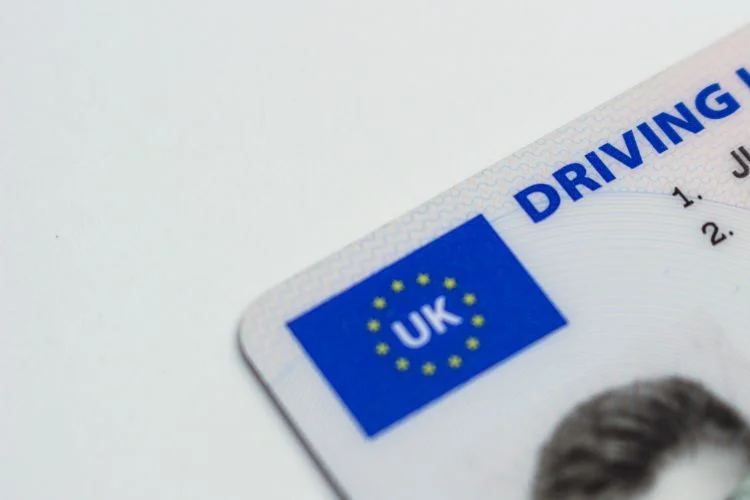
Now that you hold a valid provisional driving licence northern ireland, you are officially allowed to drive on public roads provided you are accompanied by an approved driving instructor or a supervising driver who meets legal requirements. A supervising driver must be at least twenty-one years old and must have held a full UK or EU car driving licence for at least three years.
You will also need to display red L plates clearly on the front and back of any vehicle you drive while learning. In Northern Ireland, L plates must meet strict legal size requirements, so make sure they are attached securely to your car so they do not blow off while you are driving down the M2 or around suburban streets.
A Quick Note on Northern Ireland R Plate Rules
While you are currently focusing on getting your provisional, it is worth knowing about the unique rule Northern Ireland has once you pass your practical test. Unlike mainland GB where P plates are optional, NI law requires all newly qualified drivers to display orange R plates (which stands for Restricted) for one full year after passing.
During your R plate period, you are restricted to a maximum speed limit of forty-five miles per hour on all roads, including dual carriageways and motorways. It is just another regional difference that keeps driving in Northern Ireland unique, and your instructor will talk you through all of that as you get closer to test standard at centres like Lisburn, Boucher Road, or Newtownards.
Frequently Asked Questions
How long does it take to get a provisional driving licence in Northern Ireland?
The DVA in Coleraine typically takes between three to four weeks to process postal applications for a provisional licence. Times can vary depending on workload, so sending your form in up to two months before your seventeenth birthday is a smart move.
Can I apply for my first Northern Ireland provisional licence online?
Most first-time provisional applicants in Northern Ireland must submit a physical DL1 paper form by post. Online licence services in NI are currently limited to specific renewals and replacements, unlike the DVLA online system used in England, Scotland, and Wales.
Where can I get a DL1 provisional licence application form?
You can pick up a free DL1 form from almost any main Post Office branch across Northern Ireland, including branches in Belfast, Lisburn, Bangor, and Larne. You can also request one directly from the DVA via telephone or their official web portal.
Can I take my theory test before my provisional licence arrives?
No, you cannot book or take your official theory test without your valid provisional licence photocard number. You must have the physical licence in your possession on the day of your theory test, as staff at the test centre will need to inspect it before letting you sit the exam.